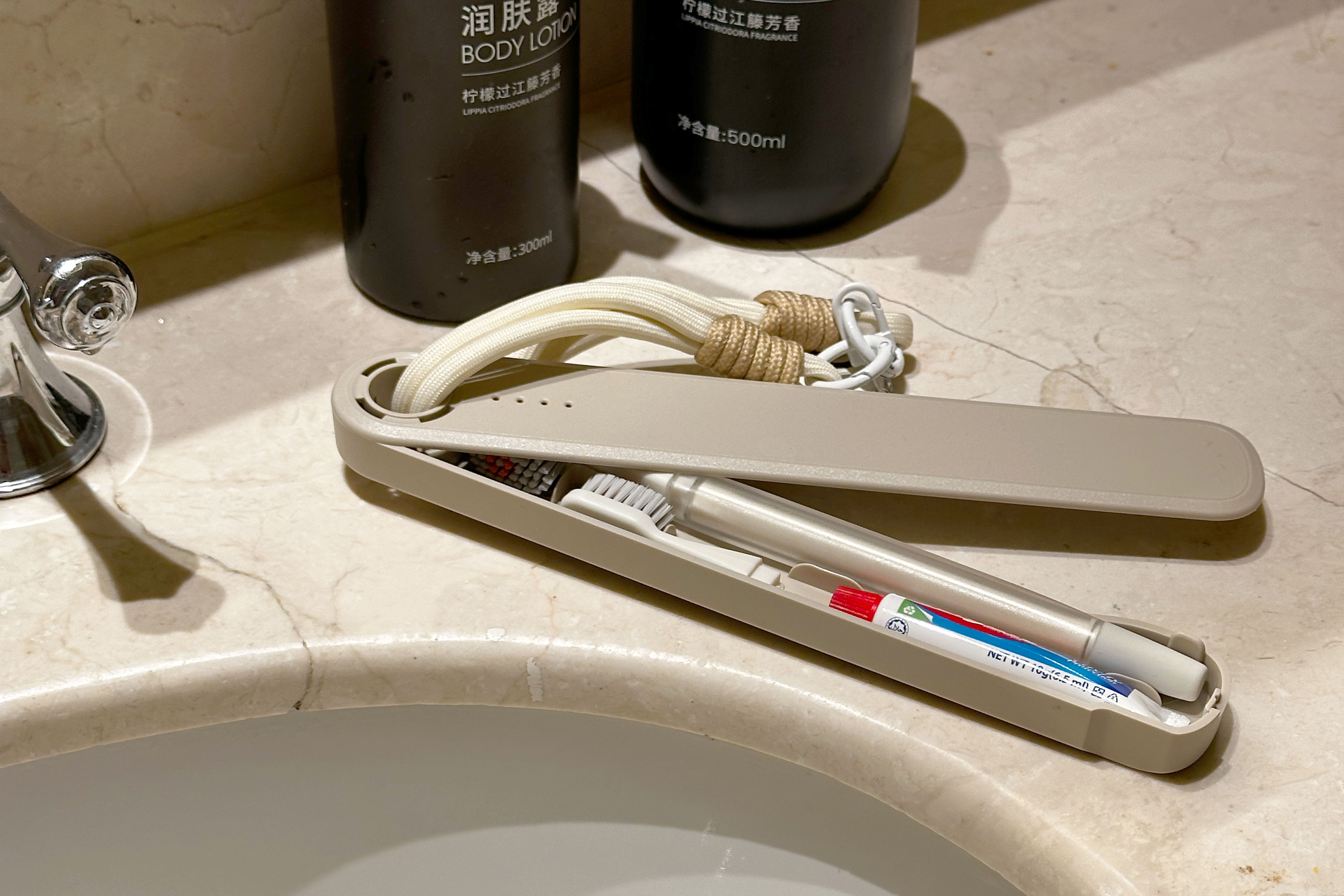
Article: The Complete Guide to Morning vs. Night Brushing

The Complete Guide to Morning vs. Night Brushing
Most people know they should brush twice a day — but do you know why morning and night brushing actually serve different purposes? They're not just the same action done at different times. Each session targets different problems, and skipping either one has real consequences that go beyond a bit of bad breath.
Let's break it down.
1. Why You Should Brush at Night 🌙
Night brushing is arguably the more critical of the two. Here's why:
Throughout the day, food particles and sugars accumulate on your teeth and along the gumline. When you sleep, saliva production drops significantly — and saliva is your mouth's natural defence against bacteria. With less saliva and more food residue present, the bacteria in your mouth become more active overnight, producing acids that erode enamel and cause cavities.
Brushing before bed removes that food residue and disrupts the bacterial cycle, giving your enamel much better protection while you sleep.
✨Tips for effective night brushing:
- Brush for a full 2 minutes — use a timer if needed
- Follow with flossing or an interdental brush to remove what your toothbrush can't reach
- Use a tongue cleaner to remove bacteria that contribute to bad breath overnight
- Store your brush head-up in an upright position to let it air dry properly
2. Why You Should Brush in the Morning 🌞
While you sleep, bacteria continue to multiply in your mouth regardless of how well you brushed the night before. That overnight bacterial activity — and the waste products it produces — is the source of morning breath.
Morning brushing clears away that overnight build-up, freshens your breath, and prepares your mouth before you eat and drink throughout the day. It also removes the bacterial film that forms on teeth surfaces while you sleep.
Many dentists suggest brushing before breakfast where possible, to clear bacteria before they interact with food and drinks. If you prefer to brush after breakfast, waiting about 30 minutes after eating is advisable — especially after consuming acidic foods or drinks like coffee or orange juice, which temporarily soften enamel.
✨Tips for effective morning brushing:
- Use a tongue cleaner first to remove overnight bacteria before brushing
- Brush gently in circular motions — avoid aggressive scrubbing
- Keep your brush protected overnight with a cover so it stays clean for morning use
3. What About After Every Meal?
Brushing after every meal sounds like the ideal habit, but it isn't always recommended. If you've consumed acidic foods or drinks, your enamel is temporarily softened. Brushing immediately after can cause micro-abrasion on the enamel surface. Rinsing with plain water and waiting at least 30 minutes before brushing is the safer approach.
4. The Role of Your Toothbrush
Both sessions are only as effective as the tool you're using. Worn-out bristles — frayed, bent, or splayed — don't clean effectively, regardless of how long or often you brush. Dentists recommend replacing your brush head every 3 months, or sooner if you notice visible wear or have recently recovered from an illness.
A fresh, well-maintained brush makes every session — morning and night — more effective.
The Simple Takeaway
Morning brushing removes overnight bacterial build-up and freshens your mouth for the day ahead. Night brushing protects your teeth from acid attack while you sleep. Both matter, and neither replaces the other.
Together, they form the foundation of a healthy oral care routine — one that takes about 4 minutes a day.